
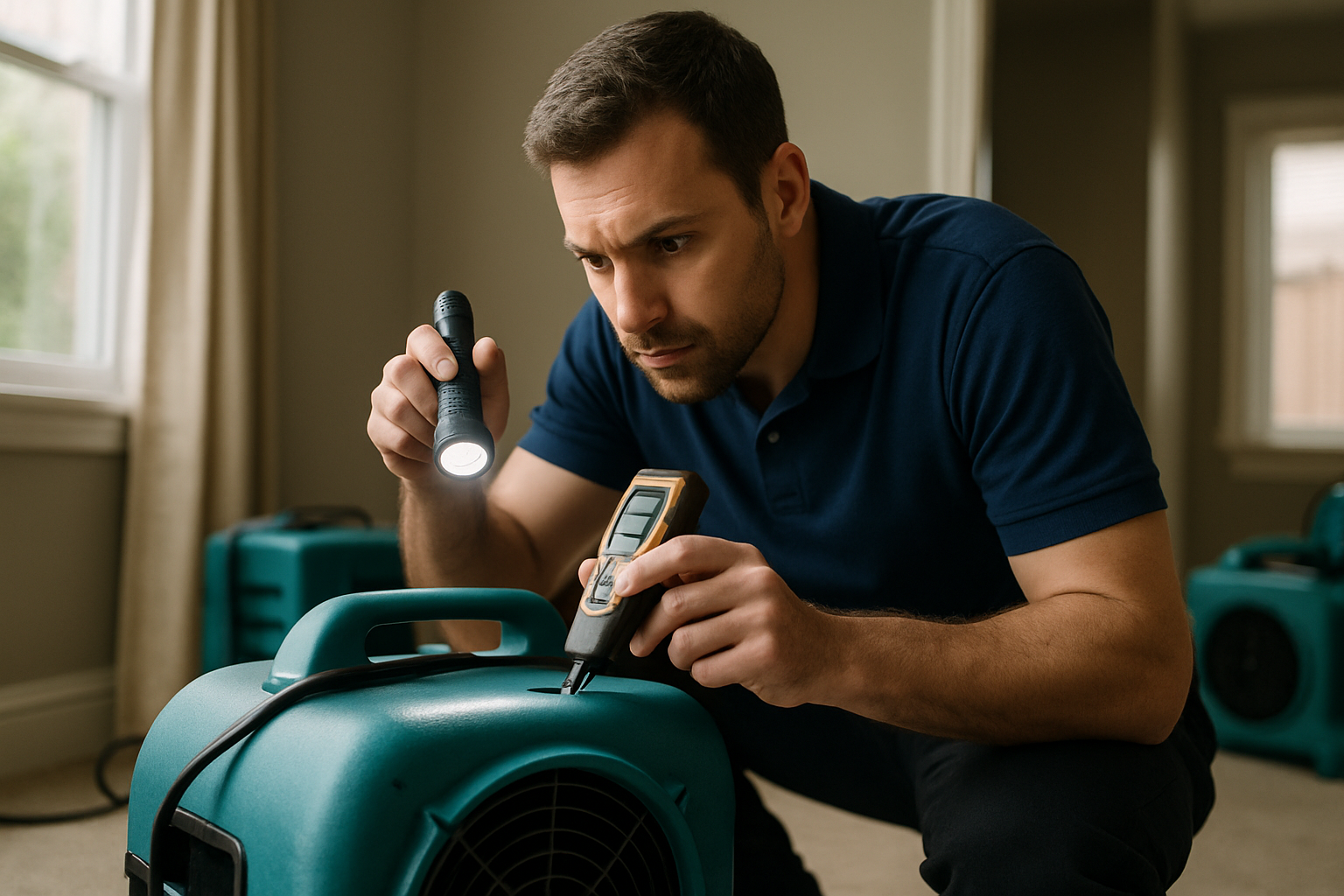
Water Damage Restoration — Pure Maintenance Beaverton
Troubleshooting Guide

Water Damage Restoration Troubleshooting Guide — Pure Maintenance Beaverton

Water damage can strike unexpectedly and lead to significant issues in your Beaverton home. Whether from a burst pipe, heavy rainfall, or an unexpected leak, knowing how to troubleshoot water damage is crucial for every homeowner. At Pure Maintenance Beaverton, we specialize in water damage restoration, providing you with the tools and insights needed to manage and mitigate water-related problems effectively. This troubleshooting guide is designed to help you identify common symptoms of water damage, understand the possible causes, and take initial steps to address the situation. With our expertise and local knowledge, we’ll guide you through the process of assessing the damage and determining when it’s necessary to call in professionals. Remember, acting quickly can prevent further damage and costly repairs, so let's dive into understanding water damage in your home.

By Pure Maintenance Beaverton
8 min read
Expert-reviewed
Having an Emergency?
Don't wait — call us now for 24/7 emergency service in Beaverton, Oregon.
(503) 836-8833
Symptoms & Causes

Identify the Problem

Match your symptoms to the most likely cause. Severity ratings help you decide how urgently to act.

Visible water stains on walls or ceilingshigh
Likely cause: Leaking roof, Burst pipes, Condensation build-up
DIY check: Dry the area with towels and a fan; inspect for leaks.
Mold or mildew growthhigh
Likely cause: Excess humidity, Water leaks, Poor ventilation
DIY check: Clean small areas with a mixture of water and vinegar; improve ventilation.
Musty odors in the homemedium
Likely cause: Hidden leaks, Trapped moisture, Mold growth
DIY check: Identify and address any moisture sources; use air purifiers.
Peeling or bubbling paintmedium
Likely cause: Water infiltration, High humidity, Poor paint adhesion
DIY check: Remove loose paint and allow the area to dry before repainting.
Warped or buckled flooringhigh
Likely cause: Flooding, Leaking appliances, High humidity
DIY check: Remove affected planks and allow the area to dry thoroughly.
Increased water billmedium
Likely cause: Undetected leaks, Faulty appliances, Inefficient plumbing
DIY check: Check for running toilets and dripping faucets to identify leaks.
Wet spots on carpets or rugshigh
Likely cause: Flooding, Humidity, Leaking pipes
DIY check: Lift carpets to dry; check for leaks underneath.
What to Do Next

Step-by-Step Action Plan

Follow these steps before calling a technician — you may be able to resolve the issue yourself.

1

Identify the Source

Examine your home to determine the source of the water damage. Look for visible leaks, damp spots, and moisture accumulation.

2

Dry Affected Areas

Use fans, dehumidifiers, and towels to dry the affected areas. Ensure proper ventilation to help speed up the drying process.

3

Remove Damaged Materials

If materials like drywall or flooring are severely damaged, remove them to prevent mold growth and further damage.

4

Monitor for Mold Growth

Keep an eye on the affected areas for any signs of mold. If you notice any, address it immediately with appropriate cleaning solutions.

5

Check Your Insurance Policy

Review your homeowner's insurance policy to understand coverage for water damage. Document the damage with photos for claims.

Pro Tip
Always turn off power to the unit at the breaker before inspecting any components. Safety first — even for simple checks.
When to Call a Professional

Don't DIY These Situations

Some repairs require a licensed technician for safety, code compliance, and warranty protection.

Professional Assessment Required

If the water damage is extensive and requires structural repairs.

Professional Assessment Required

If mold growth exceeds a small area or is in HVAC systems.

Professional Assessment Required

If the source of the water damage is difficult to locate.

Professional Assessment Required

If electrical systems are affected by water damage, posing safety risks.

Professional Assessment Required

If the damage involves sewage or contaminated water, requiring specialized equipment.

Common Questions
What should I do first when I discover water damage?
The first step is to identify and stop the source of the water. If it's a plumbing issue, turn off the water supply. Next, begin drying the affected areas using fans and dehumidifiers. If the damage is extensive, it’s best to contact a professional restoration service like Pure Maintenance Beaverton to assess the situation.
How can I tell if the water damage is severe?
Severe water damage is often indicated by extensive dampness, visible mold growth, or structural issues such as warped floors and peeling paint. If you notice any of these signs, it’s imperative to seek professional help to prevent further damage and health hazards.
Is mold always a sign of water damage?
Yes, mold typically indicates that there has been excessive moisture in an area for an extended period. If you find mold in your home, it’s crucial to address the underlying water damage issue immediately. Mold can spread quickly and pose health risks, so professional removal is often necessary.
Can I handle water damage restoration on my own?
Minor cases of water damage can sometimes be handled by homeowners, such as drying out small wet areas and removing damaged materials. However, for significant damage, especially if mold is involved, it’s recommended to call professionals like Pure Maintenance Beaverton to ensure safe and effective restoration.
Related Services

We Can Fix It For You

Our licensed team serves Beaverton, Oregon and surrounding areas — same-day service available.

Problem Solved — Or Need a Pro?

Our licensed team serves Beaverton, Oregon and surrounding areas. Get a free diagnosis — no obligation.