
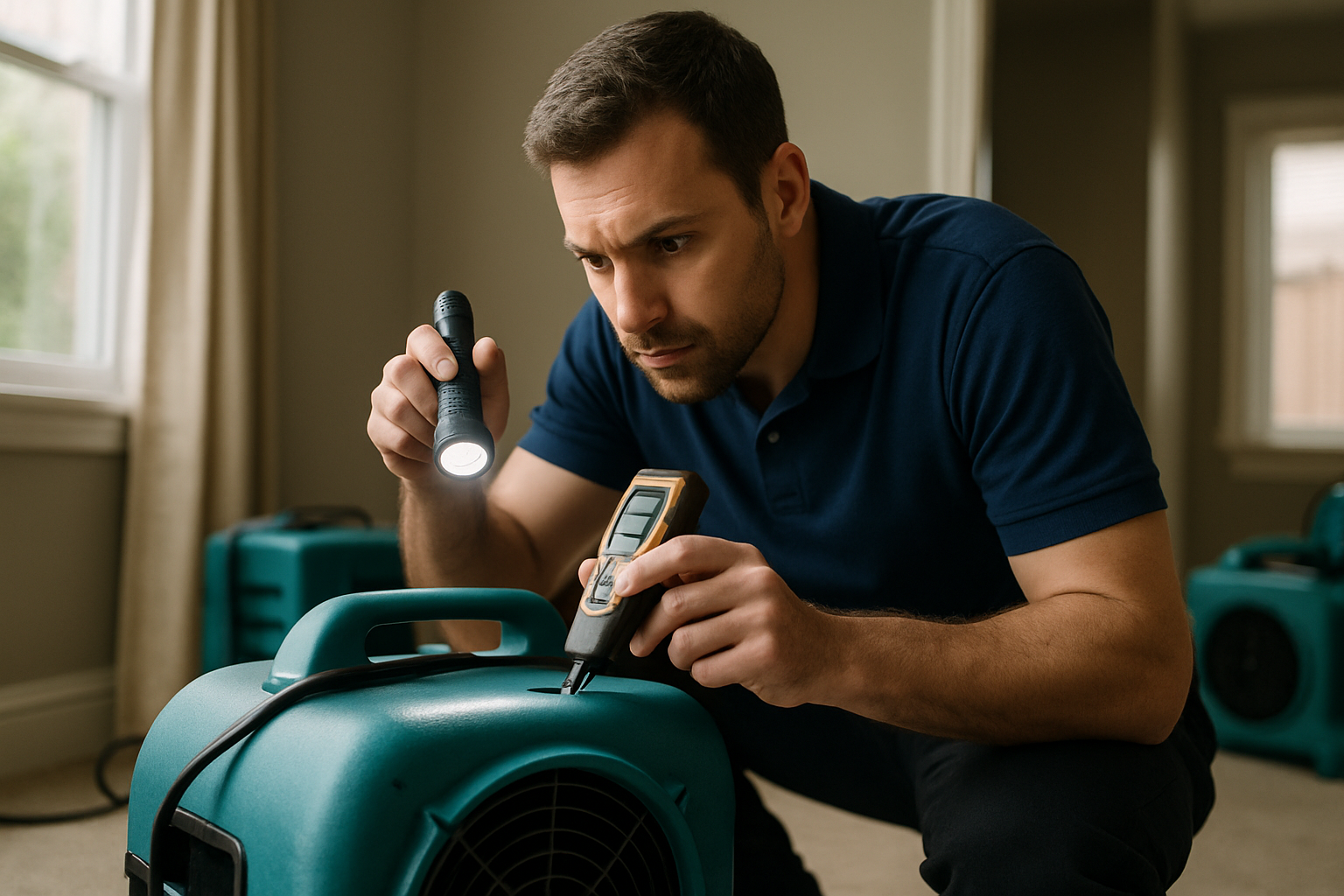
HVAC Ductwork Mold Removal — Pure Maintenance Beaverton
Troubleshooting Guide

HVAC Ductwork Mold Removal Troubleshooting Guide — Pure Maintenance Beaverton

Mold growth in HVAC ductwork is a common issue that can lead to significant health risks and air quality problems in your home. If you reside in Beaverton, Oregon, and suspect that your HVAC system may be harboring mold, it’s essential to act quickly. Mold spores can circulate through your home, potentially triggering allergies, respiratory issues, and other health complications. Understanding how to troubleshoot mold problems in your ductwork can help you maintain a safe and healthy living environment. At Pure Maintenance Beaverton, we specialize in HVAC ductwork mold removal, utilizing advanced techniques to ensure that your home’s air quality is not compromised. This troubleshooting guide will help you identify symptoms of mold growth, understand potential causes, and provide actionable steps to address the issue. By following this guide, you can take proactive measures to safeguard your home and family from the harmful effects of mold.

By Pure Maintenance Beaverton
8 min read
Expert-reviewed
Having an Emergency?
Don't wait — call us now for 24/7 emergency service in Beaverton, Oregon.
(503) 836-8833
Symptoms & Causes

Identify the Problem

Match your symptoms to the most likely cause. Severity ratings help you decide how urgently to act.

Musty odor when HVAC is runninghigh
Likely cause: Mold growth inside ductwork, Stagnant air due to poor ventilation, Moisture accumulation from leaks
DIY check: Inspect the ductwork for visible mold and clean any accessible areas with a mold remover.
Increased allergies or respiratory issueshigh
Likely cause: Mold spores circulating through the air, Dust accumulation in ducts, Existing respiratory conditions aggravated by mold
DIY check: Change the air filter in your HVAC system and monitor if symptoms improve.
Visible mold growth around ventshigh
Likely cause: Condensation in ducts, Poor insulation, High humidity levels in the home
DIY check: Wipe down the exterior of the vents with a damp cloth and mold cleaner.
Frequent HVAC system breakdownsmedium
Likely cause: Mold clogging air filters, Insufficient airflow, Mechanical failure due to mold growth
DIY check: Check and replace air filters regularly to ensure proper airflow.
Water stains or discoloration on walls/ceilings near ductsmedium
Likely cause: Leaking ducts or pipes, Condensation issues, Excessive humidity in the home
DIY check: Inspect for leaks and seal any gaps in ductwork or plumbing.
Higher energy billsmedium
Likely cause: Inefficient HVAC operation due to mold, Air leaks in ductwork, Insufficient insulation
DIY check: Conduct an energy audit and consider sealing ducts or improving insulation.
Black or green spots on duct surfaceshigh
Likely cause: Mold spores settling on damp surfaces, Poor airflow, Humidity issues
DIY check: Use a mold removal spray on affected areas, but seek professional help for thorough cleaning.
What to Do Next

Step-by-Step Action Plan

Follow these steps before calling a technician — you may be able to resolve the issue yourself.

1

Inspect Air Vents

Check all air vents for any visible signs of mold or moisture. Look for discoloration or a musty smell.

2

Evaluate Humidity Levels

Use a hygrometer to measure humidity levels in your home. Ideal indoor humidity should be between 30-50%.

3

Change Filters

Replace or clean HVAC filters regularly to prevent mold spores from recirculating through the system.

4

Check for Leaks

Inspect ductwork for any leaks or gaps where moisture could enter. Seal any identified issues.

5

Professional Mold Testing

If mold is suspected, consider contacting Pure Maintenance Beaverton for professional testing and assessment.

Pro Tip
Always turn off power to the unit at the breaker before inspecting any components. Safety first — even for simple checks.
When to Call a Professional

Don't DIY These Situations

Some repairs require a licensed technician for safety, code compliance, and warranty protection.

Professional Assessment Required

Visible mold growth that cannot be safely removed with DIY methods.

Professional Assessment Required

Persistent musty odors after cleaning efforts have been made.

Professional Assessment Required

Health issues that worsen despite efforts to improve air quality.

Professional Assessment Required

Signs of major water damage or leaks in the HVAC system.

Professional Assessment Required

Complex HVAC systems requiring specialized equipment for thorough cleaning.

Common Questions
How can I tell if there is mold in my HVAC system?
Signs of mold in your HVAC system may include a musty odor when the system is running, visible mold growth around vents, or increased allergy symptoms among occupants. Additionally, if you notice discoloration on duct surfaces or damp spots, these can indicate mold or moisture issues. Regular inspection and maintenance are essential to catch mold early and prevent it from spreading.
What should I do if I find mold in my ducts?
If you find mold in your ducts, it's essential to act quickly. Start by turning off your HVAC system to prevent spores from circulating through your home. Clean accessible areas with a mold removal product, but for more comprehensive treatment, contact Pure Maintenance Beaverton. We can professionally assess the situation, safely remove the mold, and advise on preventing future growth.
Can I remove mold from my HVAC system myself?
While minor mold issues can be addressed with DIY cleaning methods, significant mold growth or deep-seated mold is best handled by professionals. This is because improper cleaning can lead to mold spores spreading further or being disturbed, which can pose health risks. For thorough and safe mold removal, it’s advisable to consult with Pure Maintenance Beaverton.
How often should I have my HVAC ducts inspected?
It is recommended to have your HVAC ducts inspected at least once a year, especially in areas with high humidity like Beaverton. Regular inspections can help identify mold growth early, as well as other issues such as dust accumulation and airflow problems. Additionally, consider scheduling inspections after major weather events or if you notice changes in air quality.
Related Services

We Can Fix It For You

Our licensed team serves Beaverton, Oregon and surrounding areas — same-day service available.

Problem Solved — Or Need a Pro?

Our licensed team serves Beaverton, Oregon and surrounding areas. Get a free diagnosis — no obligation.