Crawl Space Encapsulation Troubleshooting Guide — Pure Maintenance Beaverton
Crawl space encapsulation is a crucial service for homeowners in Beaverton, Oregon, aiming to protect their homes from moisture damage and mold growth. By sealing off the crawl space, this service not only enhances indoor air quality but also boosts energy efficiency. However, issues can arise that may compromise the effectiveness of the encapsulation. Understanding these problems is essential for homeowners wishing to maintain a healthy living environment and protect their investment. This troubleshooting guide will help you identify symptoms of encapsulation issues and provide actionable steps for resolution. In Beaverton's unique climate, characterized by wet winters and warm summers, crawl spaces are particularly susceptible to moisture problems. Proper encapsulation ensures that excess humidity is kept at bay, preventing structural damage and health risks associated with mold. If you've noticed signs that your crawl space encapsulation may not be functioning properly, this guide will assist you in diagnosing the problem and determining the best course of action. Whether you notice musty odors or see condensation forming, knowing how to troubleshoot these issues can save you time and money in the long run.
Identify the Problem
Match your symptoms to the most likely cause. Severity ratings help you decide how urgently to act.
Step-by-Step Action Plan
Follow these steps before calling a technician — you may be able to resolve the issue yourself.
Inspect for Moisture
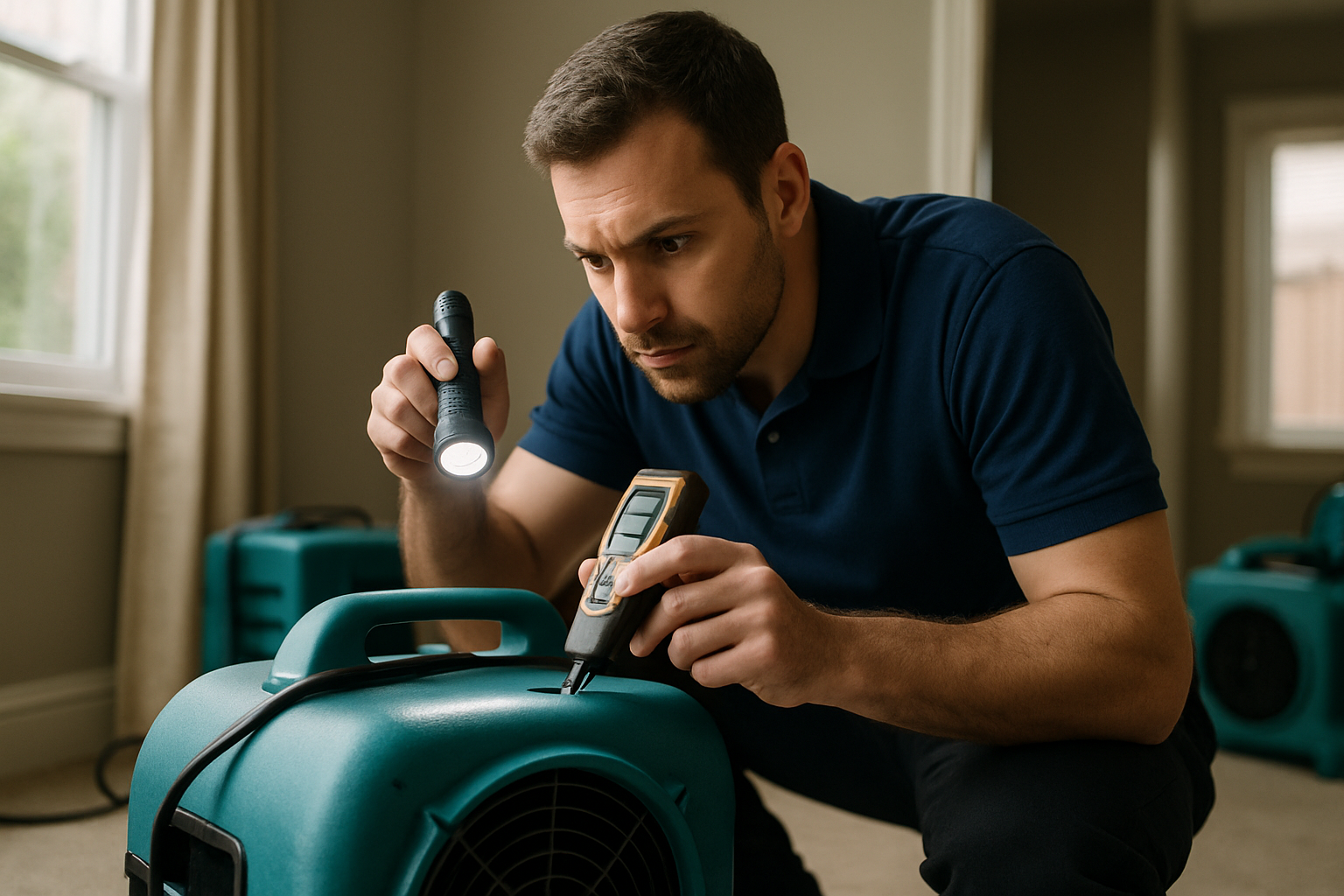
Check the crawl space for any signs of moisture, including damp spots or water pooling. Use a moisture meter for accurate readings.
Examine Encapsulation Integrity
Look for tears or gaps in the encapsulation liner. Ensure that it is properly sealed to the walls and floor of the crawl space.
Check Ventilation
Assess the ventilation system in the crawl space. Ensure vents are unobstructed and consider installing additional vents if necessary.
Monitor Humidity Levels
Use a hygrometer to measure humidity levels. Ideally, levels should be below 60%. If higher, consider using a dehumidifier.
Evaluate Drainage Systems
Inspect gutters and downspouts to ensure water is directed away from the foundation. Clean any blockages to improve drainage.
Don't DIY These Situations
Some repairs require a licensed technician for safety, code compliance, and warranty protection.
If you discover extensive mold growth, it requires specialized treatment and removal to ensure safety.
For significant water pooling issues that may involve structural damage, professional assessment is necessary.
If the encapsulation material is severely damaged or improperly installed, professional replacement is advised.
In the case of persistent pest infestations that cannot be managed with DIY methods, a pest control expert should be consulted.
How often should I inspect my encapsulated crawl space?
What can I do if I smell a musty odor in my home?
Is it possible to DIY crawl space encapsulation?
What should I do if I find pests in my crawl space?
We Can Fix It For You
Our licensed team serves Beaverton, Oregon and surrounding areas — same-day service available.
Problem Solved — Or Need a Pro?
Our licensed team serves Beaverton, Oregon and surrounding areas. Get a free diagnosis — no obligation.