
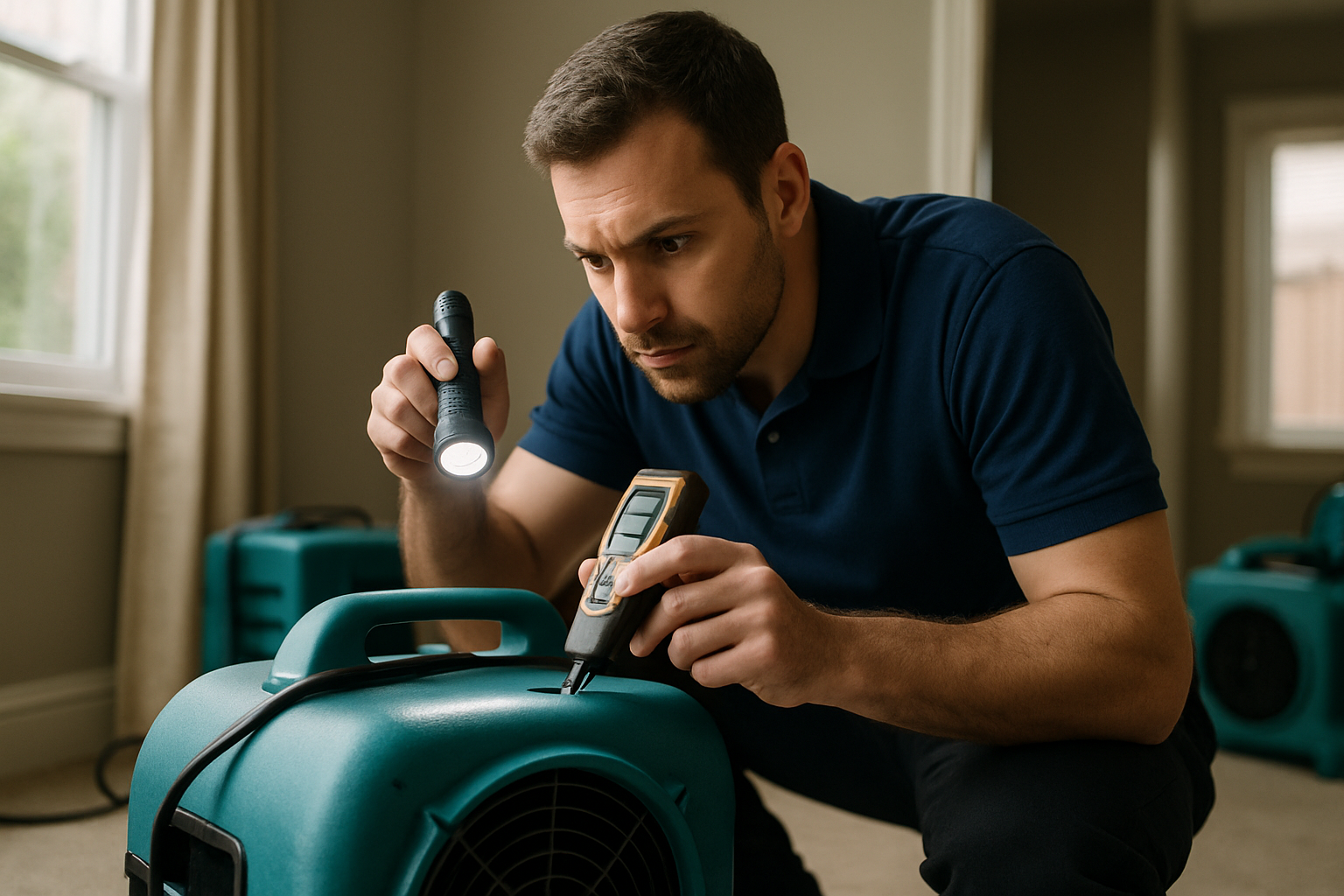
Carpet Drying — Pure Maintenance Beaverton
Troubleshooting Guide

Carpet Drying Troubleshooting Guide — Pure Maintenance Beaverton

Carpet drying is a crucial aspect of water damage restoration that often gets overlooked by homeowners in Beaverton, Oregon. When your carpets become wet, whether from a plumbing leak, flooding, or an unexpected spill, the urgency to dry them out cannot be overstated. Not only does a damp carpet create an unpleasant environment, but it can also lead to mold growth, unpleasant odors, and structural damage to your home. Understanding the intricacies of carpet drying can help you take immediate action and minimize the damage while ensuring your living space remains safe and comfortable. At Pure Maintenance Beaverton, we specialize in water damage restoration services, particularly carpet drying. Our professional team is equipped with advanced techniques and tools designed to effectively remove moisture from carpets and prevent long-term issues. This troubleshooting guide serves as a resource for Beaverton homeowners to identify common carpet drying problems, explore potential causes, and determine when it’s time to call in the experts. With our guidance, you can ensure that your carpets are dried thoroughly and efficiently, restoring the comfort of your home in no time.

By Pure Maintenance Beaverton
8 min read
Expert-reviewed
Having an Emergency?
Don't wait — call us now for 24/7 emergency service in Beaverton, Oregon.
(503) 836-8833
Symptoms & Causes

Identify the Problem

Match your symptoms to the most likely cause. Severity ratings help you decide how urgently to act.

Visible water pooling on the carpet surfacehigh
Likely cause: Severe leakage from pipes, Flooding from external sources, Improper installation
DIY check: Use towels to soak up excess water and elevate furniture.
Persistent damp smell in the roommedium
Likely cause: Mold growth beneath the carpet, Insufficient drying time, Humidity in the air
DIY check: Use a dehumidifier to reduce moisture levels in the room.
Carpet feels squishy underfoothigh
Likely cause: Water saturation, Absorption from the padding below, Poor drainage
DIY check: Lift the carpet to check for moisture in the padding and use fans to circulate air.
Stains forming on the carpet surfacemedium
Likely cause: Water contamination, Dirt and debris mixing with moisture, Previous spills
DIY check: Blot the stains gently with a carpet cleaner and water solution.
Carpet edges are curling or liftingmedium
Likely cause: Excessive moisture exposure, Improper installation, Humidity issues
DIY check: Try to re-stretch the carpet or use weights to flatten edges temporarily.
Mold or mildew visible on the carpethigh
Likely cause: Prolonged dampness, High humidity levels, Poor ventilation
DIY check: Remove the affected area and apply a mold remediation solution.
Increased allergens in the homemedium
Likely cause: Mold spores from wet carpets, Damp conditions fostering dust mites, Poor air quality
DIY check: Use an air purifier to help reduce allergens while drying is underway.
What to Do Next

Step-by-Step Action Plan

Follow these steps before calling a technician — you may be able to resolve the issue yourself.

1

Identify the Source of Moisture

Before you can address carpet drying, determine where the water is coming from. Check for leaks, spills, or flooding events.

2

Remove Excess Water

Use towels, a wet/dry vacuum, or a sump pump to extract as much water as possible from the carpet and padding.

3

Improve Air Circulation

Turn on fans and open windows to increase airflow in the room, which will help speed up the drying process.

4

Assess the Drying Progress

Check the carpet frequently for moisture retention. If the carpet remains damp after 24 hours, additional measures may be required.

5

Use Dehumidifiers

Set up dehumidifiers in the affected area to help draw out moisture from the air and the carpet, facilitating faster drying.

6

Consider Carpet Padding Replacement

If the padding is saturated, it may need to be replaced as it can hold moisture and create an environment for mold.

Pro Tip
Always turn off power to the unit at the breaker before inspecting any components. Safety first — even for simple checks.
When to Call a Professional

Don't DIY These Situations

Some repairs require a licensed technician for safety, code compliance, and warranty protection.

Professional Assessment Required

The carpet is heavily saturated and cannot be dried within 24 hours.

Professional Assessment Required

Mold growth is present, requiring specialized remediation techniques.

Professional Assessment Required

The carpet is wet due to sewage backup, which poses health risks.

Professional Assessment Required

Persistent odors remain after drying efforts, indicating underlying issues.

Professional Assessment Required

The carpet is damaged beyond simple repair and needs professional assessment.

Common Questions
How long does it typically take for carpets to dry after water damage?
Carpet drying time can vary depending on the severity of the water damage and environmental conditions. Generally, it may take anywhere from 12 to 48 hours for carpets to dry completely. Factors such as temperature, humidity, and air circulation play a significant role in this process. If carpets remain damp after 48 hours, it's advisable to consult a professional to assess potential underlying issues.
Can I use a hairdryer to speed up the carpet drying process?
While it may seem tempting to use a hairdryer to dry wet carpets quickly, this is not recommended. The concentrated heat can damage the carpet fibers and may not effectively remove moisture from the underlying padding. Instead, use fans or dehumidifiers to promote even drying without causing damage.
What should I do if I notice mold growing on my carpet?
If you discover mold on your carpet, it's crucial to act immediately. Mold can pose health risks and indicate prolonged moisture exposure. Remove the affected area if possible and clean the remaining carpet using a mold remediation solution. In cases of extensive mold growth, it's best to contact a professional service like Pure Maintenance Beaverton for safe and effective removal.
Is it safe to walk on wet carpets?
Walking on wet carpets can be risky, not only for your safety but also for the carpet itself. Wet carpets can be slippery, increasing the risk of falls. Additionally, walking on wet carpets may cause the fibers to mat down or become damaged. It’s best to avoid walking on them until they are thoroughly dried.
Related Services

We Can Fix It For You

Our licensed team serves Beaverton, Oregon and surrounding areas — same-day service available.

Problem Solved — Or Need a Pro?

Our licensed team serves Beaverton, Oregon and surrounding areas. Get a free diagnosis — no obligation.