
Mold Testing How-To Guide — Pure Maintenance Beaverton
Visual Inspection
Air Sampling
Surface Sampling
Moisture Assessment
Laboratory Analysis
Results Review
How It Works
Mold can pose serious health risks and damage to your property, making it crucial for homeowners in Beaverton, Oregon, to understand the importance of mold testing. This guide will walk you through the essential steps for effectively testing for mold in your home. Whether you suspect mold growth due to water damage or simply want to ensure your indoor air quality is safe, knowing how to conduct a thorough mold test is key. At Pure Maintenance Beaverton, we specialize in mold testing services that are tailored to the unique needs of our community. Our approach not only identifies the presence of mold but also helps in determining the type and extent of the contamination. This information is vital for deciding on the necessary remediation actions. By following this guide, you'll be equipped to take the first step in protecting your home and your health from mold exposure.
Visual Inspection
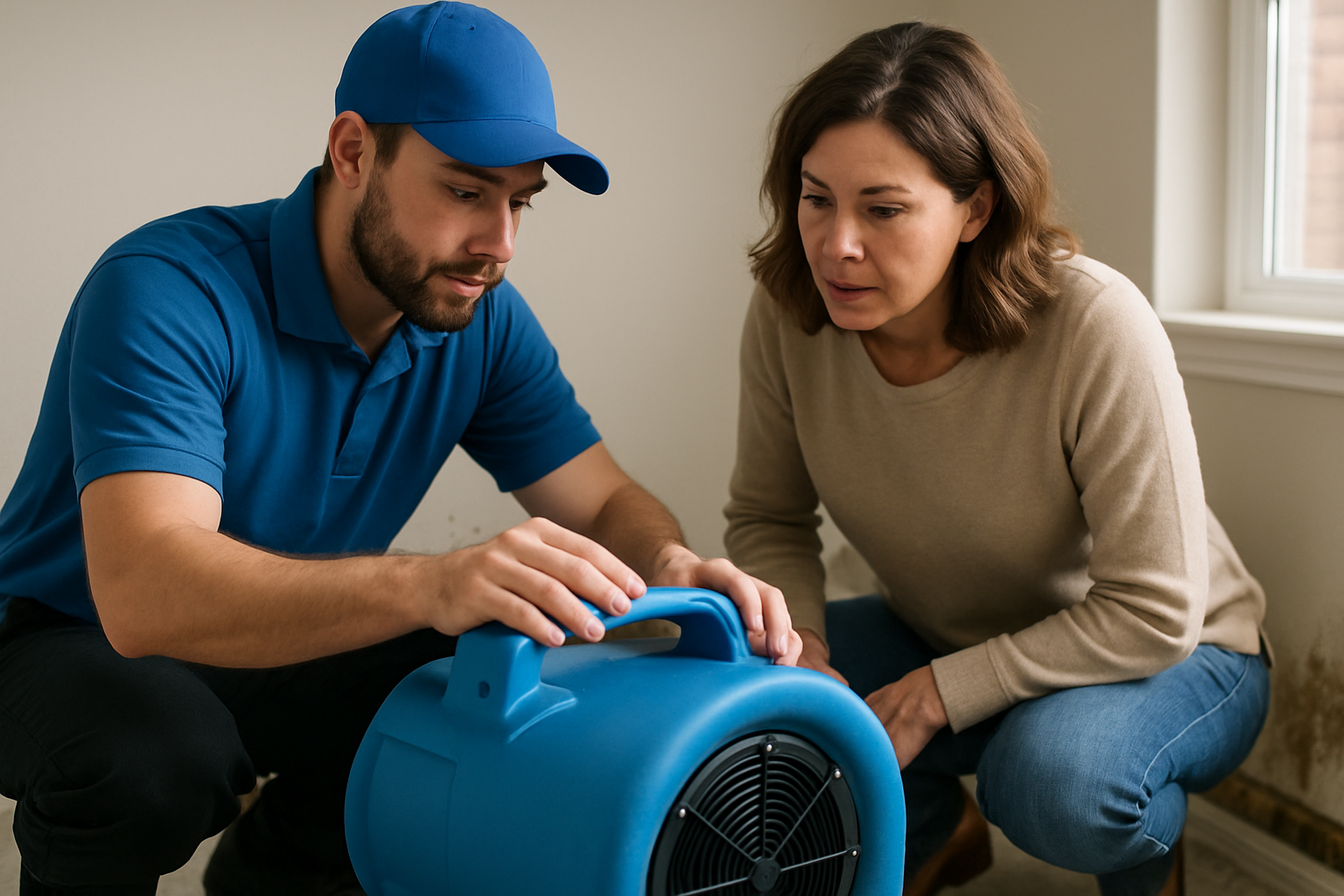
The first step in mold testing is a thorough visual inspection of your home. This involves checking areas prone to moisture, such as basements, bathrooms, and around windows. Our professionals look for visible signs of mold growth, water stains, or any conditions that may promote mold growth. This step is essential as it helps us determine specific areas where testing is needed.
Air Sampling
Air sampling involves collecting air samples from different areas of your home. Using specialized equipment, we draw air through a filter that captures mold spores. This process helps identify the types of mold present in your indoor environment and provides a baseline for comparison against outdoor air samples. It’s a crucial component in understanding indoor air quality.
Surface Sampling
In addition to air sampling, surface sampling is conducted to identify mold growth on various surfaces, such as walls, ceilings, and floors. We use sterile swabs or tape lifts to collect samples from suspected contaminated areas. These samples are then sent to a laboratory for analysis to determine the presence and type of mold.
Moisture Assessment
Assessing moisture levels is vital, as mold thrives in damp environments. Our team uses moisture meters to check humidity levels in different areas of your home. We also look for leaks or water damage that could contribute to mold growth. This assessment helps us understand the conditions that may require remediation.
Laboratory Analysis
Once samples have been collected, they are sent to a certified laboratory for detailed analysis. The lab will identify the types of mold present and provide a report on the concentration levels. This information is crucial for determining the severity of the mold problem and the necessary steps for remediation.
Results Review
After the laboratory analysis is complete, we will review the results with you. Our experts will explain the findings and discuss the implications for your home. If mold is detected, we will recommend remediation strategies to address the issue and improve your indoor air quality.
What to Expect & When
We believe in full transparency. Here's a realistic timeline so you can plan accordingly.
Initial Inspection
1 dayA comprehensive visual inspection is conducted to identify potential mold growth areas.
Sample Collection
1-2 daysAir and surface samples are collected for laboratory analysis.
Laboratory Analysis
3-5 daysSamples are sent to a lab for analysis, with results typically available within a week.
Results Interpretation
1 dayWe provide a detailed review of the findings and discuss remediation options.
How to Prepare
- Ensure all areas of your home are accessible for testing, including basements and attics.
- Remove any clutter or furniture that may obstruct visual inspections or sampling.
- Turn off any HVAC systems to ensure accurate air sampling results.
- Document any visible mold or water damage before the testing begins.
- Be prepared to discuss any previous water damage issues or mold occurrences with the technicians.
Common Questions
Everything you need to know before we arrive.
How often should I have mold testing done in my home?
What types of mold can be detected through testing?
Do I need to leave my home during mold testing?
What should I do if mold is detected in my home?
How long does the mold testing process take?
Still have questions? We're happy to help.
Call (503) 836-8833Understanding the Importance of Mold Testing
Mold testing is a critical process for homeowners in Beaverton. Understanding the potential risks associated with mold exposure is vital for maintaining a safe living environment. Mold can lead to respiratory issues, allergic reactions, and other health problems, particularly for vulnerable populations such as children and individuals with pre-existing health conditions. By conducting thorough mold testing, you can identify harmful mold types and take immediate action to mitigate the risks. In Beaverton's damp climate, where moisture can easily accumulate, regular mold testing is not just advisable; it's essential for ensuring the health and safety of your family. At Pure Maintenance Beaverton, we emphasize the importance of proactive mold management through our comprehensive testing services, allowing you to breathe easy in your home.
Choosing the Right Mold Testing Professional
Selecting a qualified mold testing professional is crucial for accurate results and effective remediation. When choosing a service provider in Beaverton, look for certifications, experience, and customer reviews. At Pure Maintenance Beaverton, our team is equipped with the latest technology and has extensive training in mold testing protocols. We pride ourselves on our attention to detail and commitment to customer satisfaction. Additionally, ensure the company you choose offers clear communication about the testing process and results. A reputable contractor will not only provide testing but will also guide you through the next steps if mold is detected. This partnership is essential for ensuring your home remains a safe haven for you and your family.
Ready to Get Started with Pure Maintenance Beaverton?
Our licensed technicians serve Beaverton and surrounding communities. Free estimates — no obligation.