
Basement Mold Removal How-To Guide — Pure Maintenance Beaverton
Assess the Situation
Ensure Safety Precautions
Contain the Mold
Remove Moldy Materials
Clean Surfaces
Dry the Area
How It Works
Basements in Beaverton, Oregon, often face moisture issues that can lead to mold growth if not managed properly. Mold can pose serious health risks to you and your family, making it imperative to address any signs of mold as soon as they appear. With the right knowledge and tools, you can effectively remove mold from your basement and prevent its recurrence. This guide will provide you with essential steps and tips for successful basement mold removal, ensuring a healthier living environment in your home. At Pure Maintenance Beaverton, we specialize in water damage restoration and basement mold removal. Our experience in handling mold issues in the Beaverton area equips us with the insights you need to tackle mold problems effectively. Whether you’re dealing with minor mold or a more severe infestation, it’s crucial to understand the process of mold removal to protect your home from future damage. This guide will empower you with the knowledge to take action against basement mold effectively and safely.
Assess the Situation
Before you begin the removal process, it’s essential to assess the extent of the mold growth in your basement. Look for visible signs of mold on walls, floors, and any stored items. Additionally, check for water leaks or areas of high moisture that may have contributed to the mold problem. This initial assessment will help you determine the necessary tools and materials needed for the removal process.
Ensure Safety Precautions
Safety should be your top priority when dealing with mold. Equip yourself with protective gear such as gloves, goggles, and an N95 respirator mask to prevent inhalation of mold spores. Make sure to ventilate the area by opening windows and using fans to increase airflow. This will help minimize exposure to mold and ensure a safer working environment during the removal process.
Contain the Mold
To prevent mold spores from spreading to other areas of your home, it’s crucial to contain the affected area. Use plastic sheeting to seal off the mold-infested area from the rest of the basement. This step will help prevent cross-contamination and make the cleanup process more manageable. Make sure all entrances to the contained area are sealed tightly.
Remove Moldy Materials
Dispose of any porous materials that are heavily infested with mold, such as carpets, drywall, and insulation. Place these materials in sealed bags to prevent spore release during disposal. For non-porous surfaces, use a mixture of water and detergent to scrub away mold. This step is vital to eliminate the source of mold growth and prevent it from returning.
Clean Surfaces
After removing moldy materials, clean all surfaces in the affected area thoroughly. Use a mixture of water and vinegar or a commercial mold remover to wipe down walls and floors. Pay special attention to corners and crevices where mold may hide. This cleaning process will help eliminate any remaining mold spores and prevent regrowth.
Dry the Area
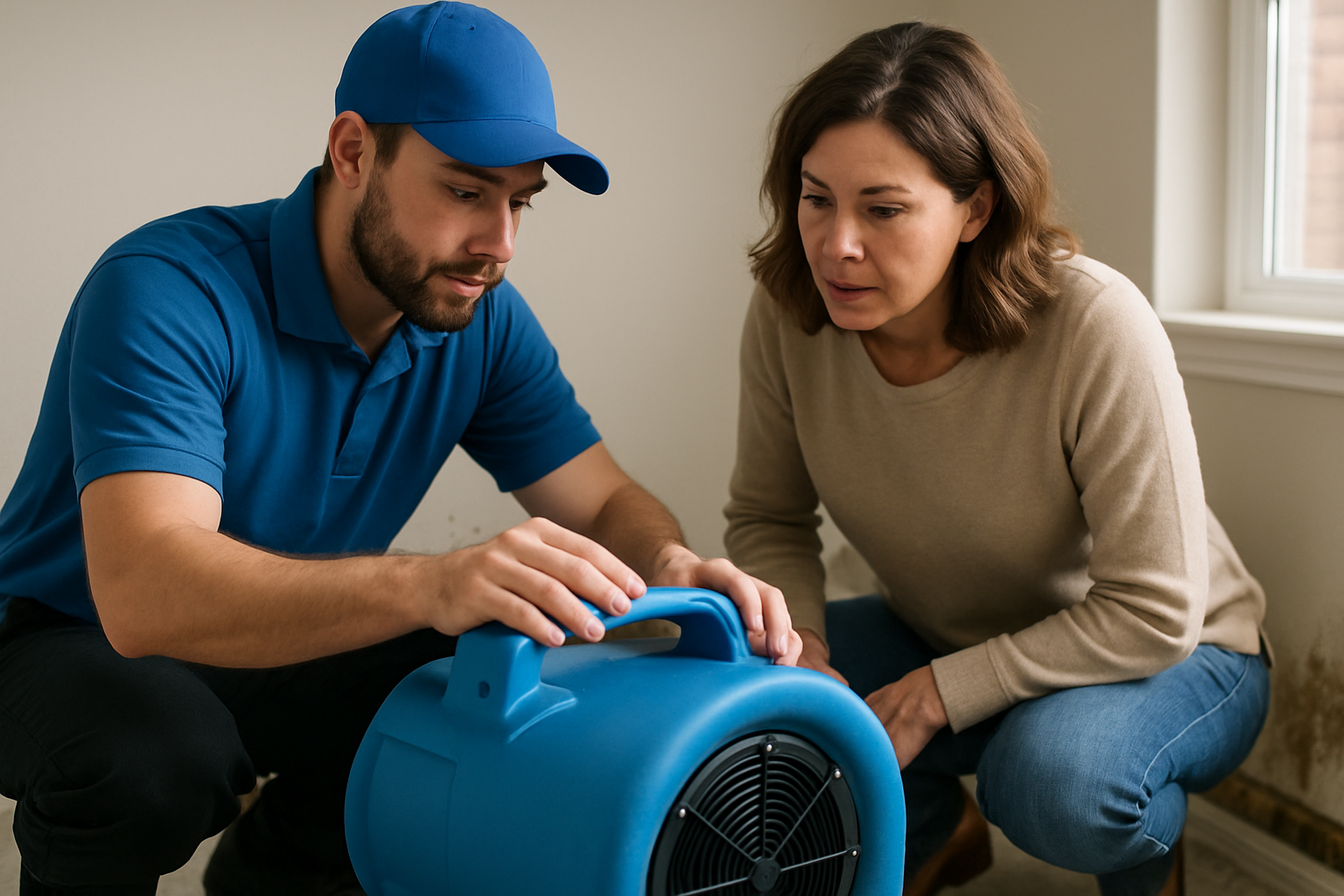
Moisture control is key to preventing future mold growth. Use dehumidifiers and fans to thoroughly dry the basement after cleaning. Ensure that all surfaces are completely dry before sealing off the area. You may also want to consider installing a vapor barrier or improving ventilation to keep humidity levels low in the future.
Monitor for Recurrence
After completing the removal process, it’s important to monitor the area for any signs of mold returning. Regularly check for leaks or moisture buildup that could encourage mold growth. If you notice any signs of mold reappearing, it may be necessary to take further action or consult with a professional mold remediation service to ensure your basement remains mold-free.
What to Expect & When
We believe in full transparency. Here's a realistic timeline so you can plan accordingly.
Assessment and Preparation
1-2 hoursDuring this phase, you will assess the mold situation, prepare safety equipment, and gather necessary materials.
Mold Removal
4-8 hoursThis phase includes containing the mold, removing contaminated materials, and cleaning affected surfaces.
Drying and Prevention
1-2 daysIn this phase, you'll focus on drying the area and implementing measures to prevent future mold growth.
Monitoring
OngoingRegular checks will be made to ensure that mold does not return, and any signs will be addressed promptly.
How to Prepare
- Clear out any items stored in the basement to allow easy access for mold removal.
- Ensure adequate ventilation in the basement by opening windows and using fans.
- Have all necessary safety gear ready before starting the mold removal process.
- Consider professional help if the mold infestation is extensive or if you're unsure about the removal process.
Common Questions
Everything you need to know before we arrive.
How do I know if I have mold in my basement?
Can I remove mold myself, or should I hire a professional?
What safety precautions should I take during mold removal?
Will mold come back after removal?
How much does basement mold removal cost in Beaverton?
Still have questions? We're happy to help.
Call (503) 836-8833Understanding Mold Growth in Basements
Mold thrives in damp, dark environments, making basements prime locations for growth. In Beaverton, with its wet climate, basements are particularly susceptible to moisture accumulation. Mold can grow on organic materials such as wood and drywall, and even in hidden areas behind walls and under floors. Understanding how mold develops and what conditions promote its growth is crucial for effective remediation. Regular inspections and maintaining a low humidity level in your basement can help prevent mold from taking hold. If you notice any signs of mold, it's essential to act quickly, as mold can spread rapidly and lead to more significant health issues and structural damage to your home.
Preventing Future Mold Growth
Once you've successfully removed mold from your basement, the next step is prevention. Keeping your basement dry is key. Invest in a dehumidifier to control moisture levels, especially during the rainy season. Sealing cracks in walls and installing proper drainage systems can also help redirect water away from your home. Additionally, improving air circulation with vents or fans can keep humidity at bay. Consider using mold-resistant paints and materials during renovations to further protect your basement. Regular maintenance and vigilance are essential to ensure your basement remains mold-free, creating a safe and healthy environment for your family.
Ready to Get Started with Pure Maintenance Beaverton?
Our licensed technicians serve Beaverton and surrounding communities. Free estimates — no obligation.